


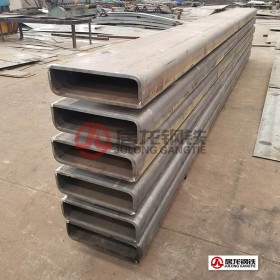
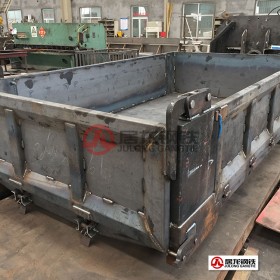
居龙钢铁承接各种钢结构构件的定制加工业务,按图纸加工,保证质量。
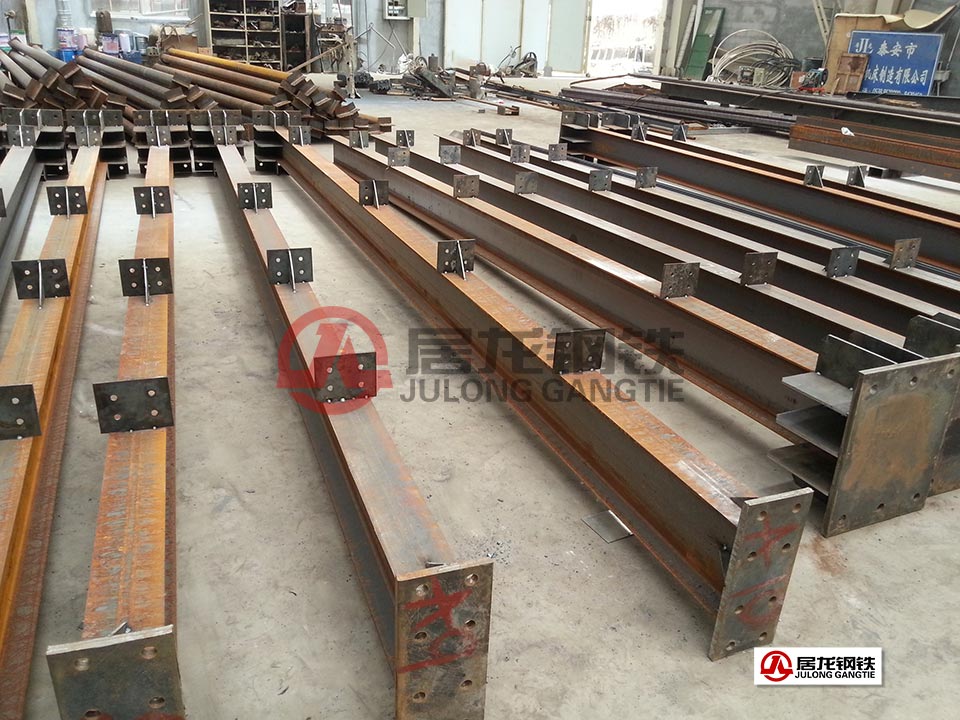
Steel structures are structures composed of steel materials and represent one of the primary types of building structures. They primarily consist of components such as steel beams, columns, and trusses made from structural steel and steel plates, with the various components or parts typically connected using welds, bolts, or rivets. Due to their relatively light weight and ease of construction, they are widely used in large-scale industrial plants, stadiums, and super-high-rise buildings. Steel structures are prone to corrosion, so they generally require rust removal, galvanization, or painting, as well as regular maintenance.
钢结构是由钢制材料组成的结构,是主要的建筑结构类型之一。结构主要由型钢和钢板等制成的梁钢、钢柱、钢桁架等构件组成,各构件或部件之间通常采用焊缝、螺栓或铆钉连接。因其自重较轻,且施工简便,广泛应用于大型厂房、场馆、超高层等领域。钢结构容易锈蚀,一般钢结构要除锈、镀锌或涂料,且要定期维护。
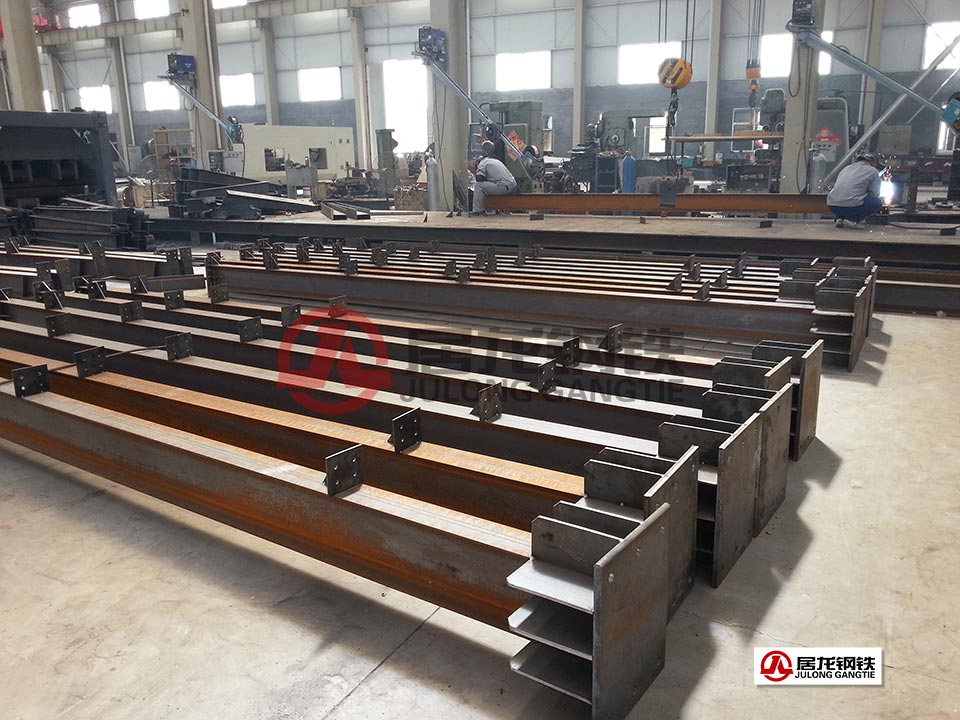
Characteristics of Steel Structures:
1. High material strength and low self-weight
Steel has high strength and a high modulus of elasticity. Compared to concrete and wood, the ratio of its density to yield strength is relatively low. Therefore, under the same load conditions, steel structural members have smaller cross-sections and lighter self-weights, making them easier to transport and install. They are suitable for structures with large spans, great heights, and heavy loads.
2. Steel offers good toughness and ductility, uniform material properties, and high structural reliability
It is well-suited for withstanding impact and dynamic loads and possesses excellent seismic performance. The internal microstructure of steel is uniform, making it nearly isotropic and homogeneous. The actual performance of steel structures closely aligns with theoretical calculations. Therefore, steel structures offer high reliability.
3. High degree of mechanization in the fabrication and installation of steel structures
Steel structural components are easy to manufacture in factories and assemble on-site. Mechanized factory production ensures high precision in finished components, high production efficiency, rapid on-site assembly, and short construction schedules. Steel structures represent the most highly industrialized type of structure.
4. Steel structures offer excellent sealing performance
Since welded structures can be made completely airtight, they are suitable for high-pressure vessels, large oil tanks, pressure pipelines, and other applications requiring excellent airtightness and watertightness.
5. Steel Structures Are Heat-Resistant but Not Fire-Resistant
When temperatures are below 150°C, the properties of steel change very little. Therefore, steel structures are suitable for hot workshops; however, when the structural surface is exposed to thermal radiation of approximately 150°C, it must be protected with insulation panels. At temperatures between 300°C and 400°C, both the strength and elastic modulus of steel decrease significantly, and at around 600°C, the strength of steel approaches zero. In buildings with special fire protection requirements, steel structures must be protected with fire-resistant materials to enhance their fire resistance rating.
6. Steel Structures Have Poor Corrosion Resistance
Steel is particularly susceptible to rust in humid environments and those containing corrosive substances. Generally, steel structures require rust removal, galvanization, or painting, along with regular maintenance. For offshore platform structures exposed to seawater, special measures such as “zinc anode protection” must be employed to prevent corrosion.
7. Low-carbon, energy-efficient, environmentally friendly, and recyclable
The demolition of steel structures produces almost no construction waste, and the steel can be recycled and reused.
钢结构特点:
1、材料强度高,自身重量轻
钢材强度较高,弹性模量也高。与混凝土和木材相比,其密度与屈服强度的比值相对较低,因而在同样受力条件下钢结构的构件截面小,自重轻,便于运输和安装,适于跨度大,高度高,承载重的结构。
2、钢材韧性,塑性好,材质均匀,结构可靠性高
适于承受冲击和动力荷载,具有良好的抗震性能。钢材内部组织结构均匀,近于各向同性匀质体。钢结构的实际工作性能比较符合计算理论。所以钢结构可靠性高。
3、钢结构制造安装机械化程度高
钢结构构件便于在工厂制造、工地拼装。工厂机械化制造钢结构构件成品精度高、生产效率高、工地拼装速度快、工期短。钢结构是工业化程度最高的一种结构。
4、钢结构密封性能好
由于焊接结构可以做到完全密封,可以作成气密性,水密性均很好的高压容器,大型油池,压力管道等。
5、钢结构耐热不耐火
当温度在150℃以下时,钢材性质变化很小。因而钢结构适用于热车间,但结构表面受150℃左右的热辐射时,要采用隔热板加以保护。温度在300℃ -400℃时.钢材强度和弹性模量均显著下降,温度在600℃左右时,钢材的强度趋于零。在有特殊防火需求的建筑中,钢结构必须采用耐火材料加以保护以提高耐火等级。
6、钢结构耐腐蚀性差
特别是在潮湿和腐蚀性介质的环境中,容易锈蚀。一般钢结构要除锈、镀锌或涂料,且要定期维护。对处于海水中的海洋平台结构,需采用“锌块阳极保护”等特殊措施予以防腐蚀。
7、低碳、节能、绿色环保,可重复利用
钢结构建筑拆除几乎不会产生建筑垃圾,钢材可以回收再利用。
- Scan the QR code to follow JULONG STEEL on WeChat Video
- You can browse our latest product information and contact us with any questions about processing technology!
-

- Scan the QR code—follow JULONG STEEL on TikTok
- You can watch our latest product videos, ask us about machining techniques, and book machining services in advance!
-



Comments